

-

A2FO Series Axial Piston Fixed Pump A2FO90/61R-PBB05 Rota...
A2FO Series axial piston fixed pump A2FO90/61R-PBB05 rotary oil pump tractor hydraulic high pressure pump Add to Inquiry -
-
-
-
-
-
-
-
-
-
-


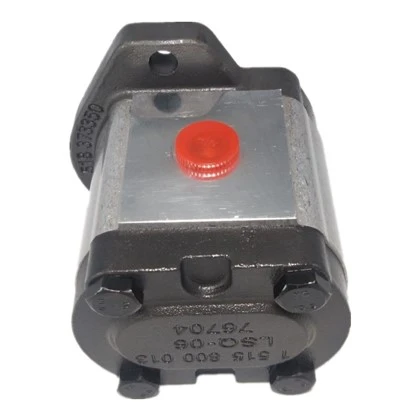
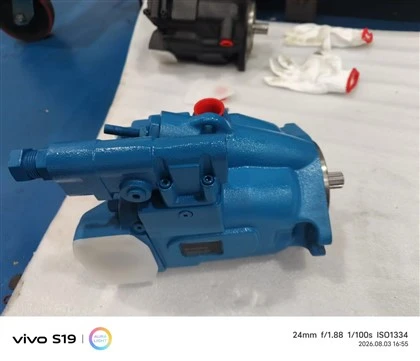
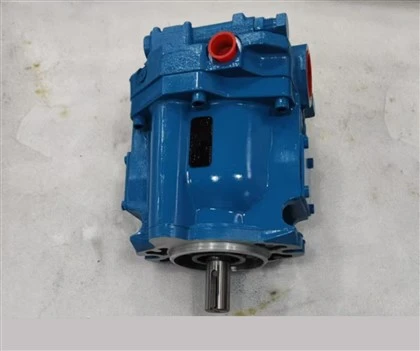
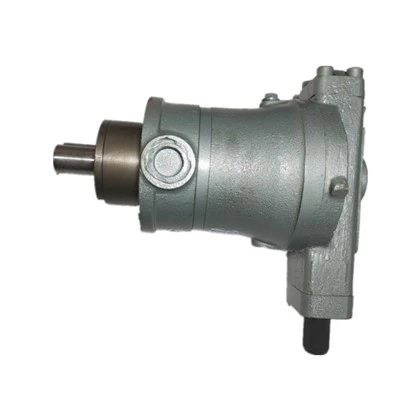
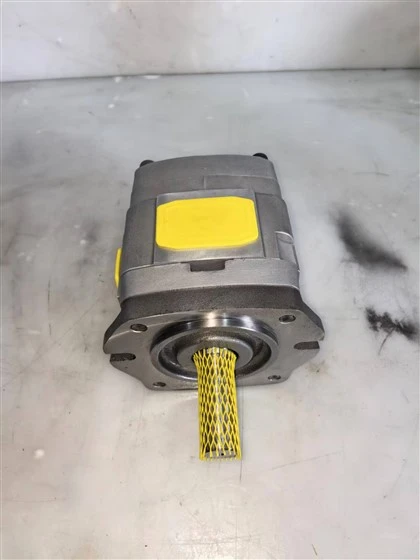

What is a hydraulic pump
The hydraulic pump is the core power component in the hydraulic system
It is a power component that converts mechanical energy into hydraulic energy and is driven by an engine or an electric motor to provide pressure oil for the hydraulic system
Definition and Function
The hydraulic pump is driven by an engine or an electric motor, converting mechanical energy into hydraulic energy.
It sucks in oil from the oil tank, pressurizes it and then delivers it to the actuating elements (such as hydraulic cylinders or hydraulic motors), thereby driving the system to work.
It is the "heart" of the hydraulic system, determining the pressure and flow output capacity of the system.
Working principle
By rotating or reciprocating motion to change the volume of the sealed cavity, a pressure difference is generated to achieve oil suction and discharge.
Specifically including
Plunger pump
Compresses oil by the reciprocating motion of a plunger in the cylinder.
Vane pump
It achieves the flow of oil by changing the volume of the chamber with rotating vanes
Gear pump
It conveys oil by changing the volume of the closed chamber formed by the meshing of gears.
Application field
It is widely applied in fields such as construction machinery (excavators, loaders), agricultural machinery (tractors), aerospace (aircraft control systems), etc.
When selecting a model, factors such as flow rate, pressure, environmental adaptability and maintenance cost should be taken into consideration.
Main functions and applications
The hydraulic pump is driven by an engine or an electric motor, efficiently converting the input mechanical energy into the pressure energy of the liquid, thus becoming the "heart" of the hydraulic system. This energy conversion is the core foundation of hydraulic transmission.
System power source
As the power component of the hydraulic system, the hydraulic pump is responsible for:
- Draw in low-pressure oil from the fuel tank and pressurize it
- High-pressure oil is delivered to the actuating elements (such as hydraulic cylinders and hydraulic motors) through the oil discharge port
- Maintain the stability of the system pressure to ensure that the actuator works as needed
Diverse application scenarios
Depending on the structural type, the application of hydraulic pumps covers multiple fields:
- Gear pump : Suitable for scenarios with lower requirements for oil cleanliness, such as lubrication systems of construction machinery
- Plunger pump : For high-pressure and high-power systems, commonly found in Marine propulsion systems and metallurgical equipment
- Vane pump : Mostly used in machine tool hydraulic systems where medium pressure and uniform flow are required
Performance characteristics
- The flow range covers 0.1 to 2000L/min, and the pressure can reach over 50MPa
- The typical volumetric efficiency is between 80% and 95%, and the high-performance plunger pump can reach 98%
- The flow can be adaptively regulated through a variable pump to optimize energy consumption
The Uses Of Hydraulic Pumps
—— Provide power for the hydraulic system
The core function of the hydraulic pump is to convert mechanical energy into hydraulic energy, providing a continuous output of pressure oil for the hydraulic system to drive the actuating elements to perform various mechanical actions.
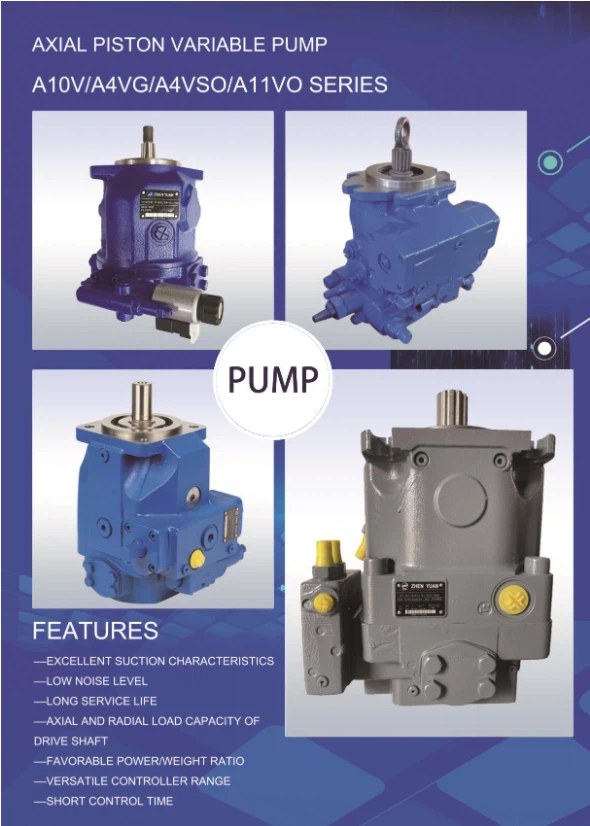
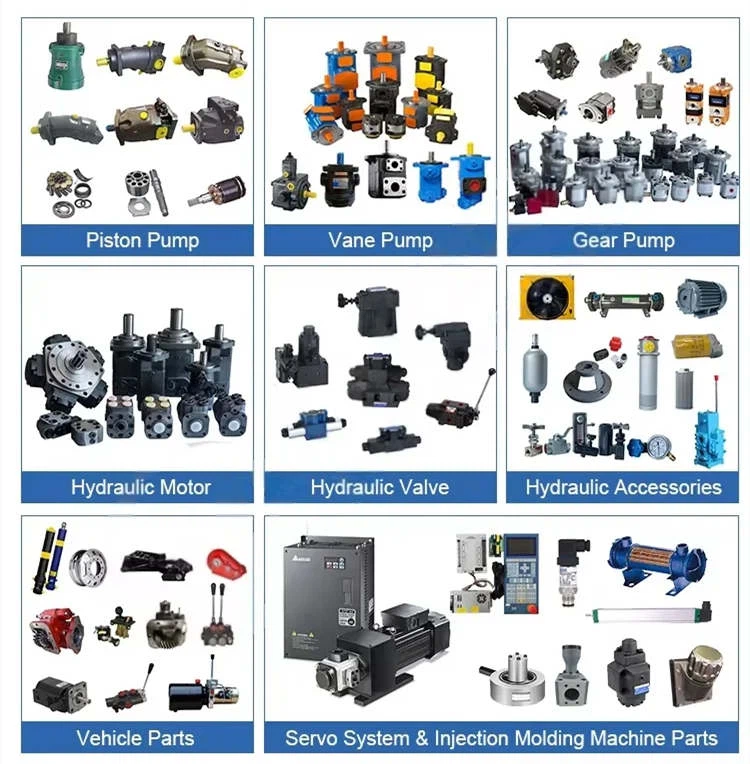
The types of hydraulic pumps
There are three main types of hydraulic pumps:
Hydraulic pumps can be classified by structure into gear pumps, vane pumps and piston pumps. In addition, there are other classification methods based on different dimensions such as flow regulation methods and pressure levels.
Gear pump
Vane pump
Plunger pump
Other common classification dimensions
Flow regulation method
- Fixed displacement pump : Output flow is fixed (as in most gear pumps).
- Variable displacement pump : Displacement can be adjusted by changing the tilt Angle of the swash plate, etc. (Axial piston pump).
Pressure rating
- Low-pressure pumps (<2.5MPa) : such as simple gear pumps.
- Medium pressure pump (2.5-8MPa) : Vane pump.
- High pressure pump (>8MPa) : plunger pump as main.
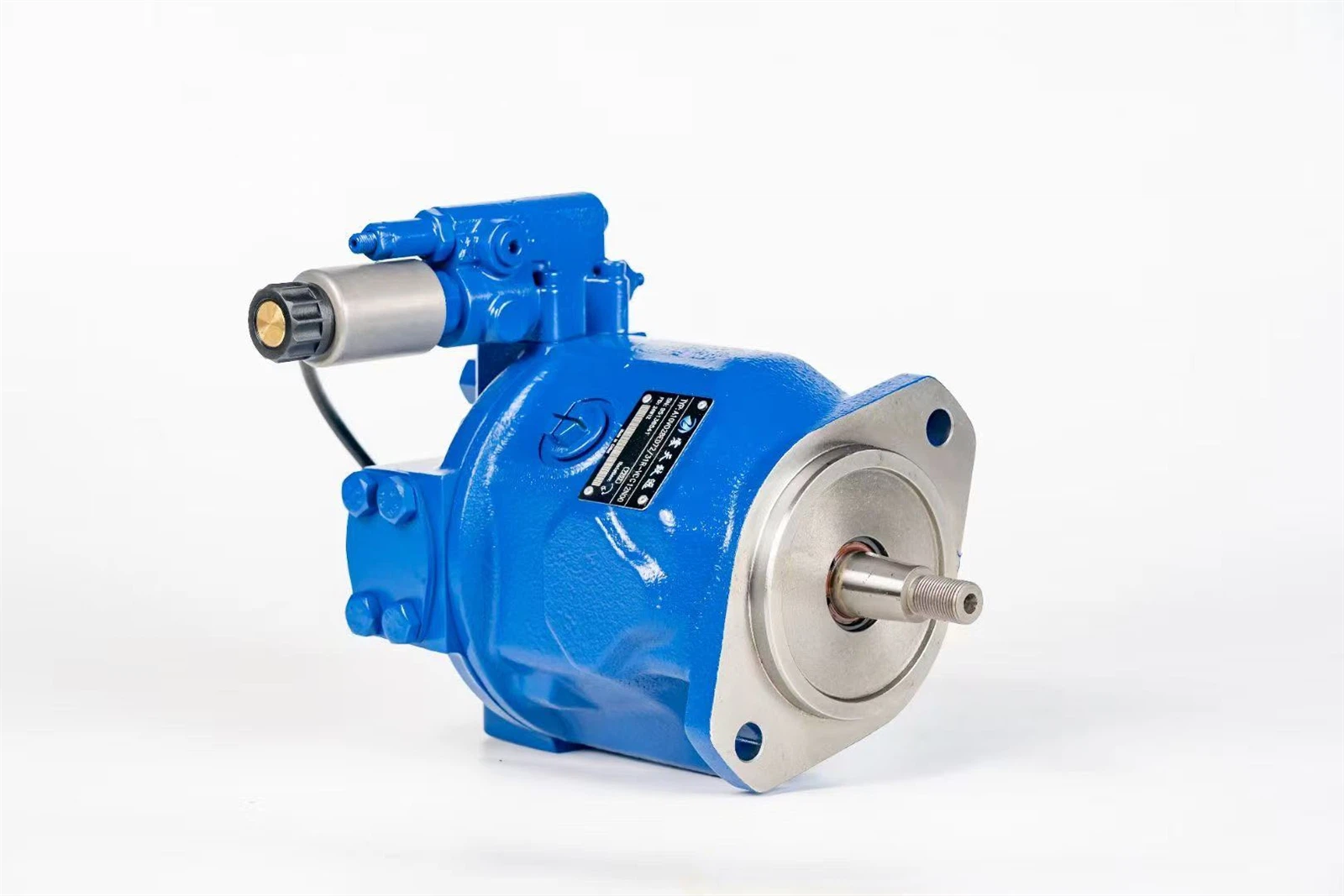
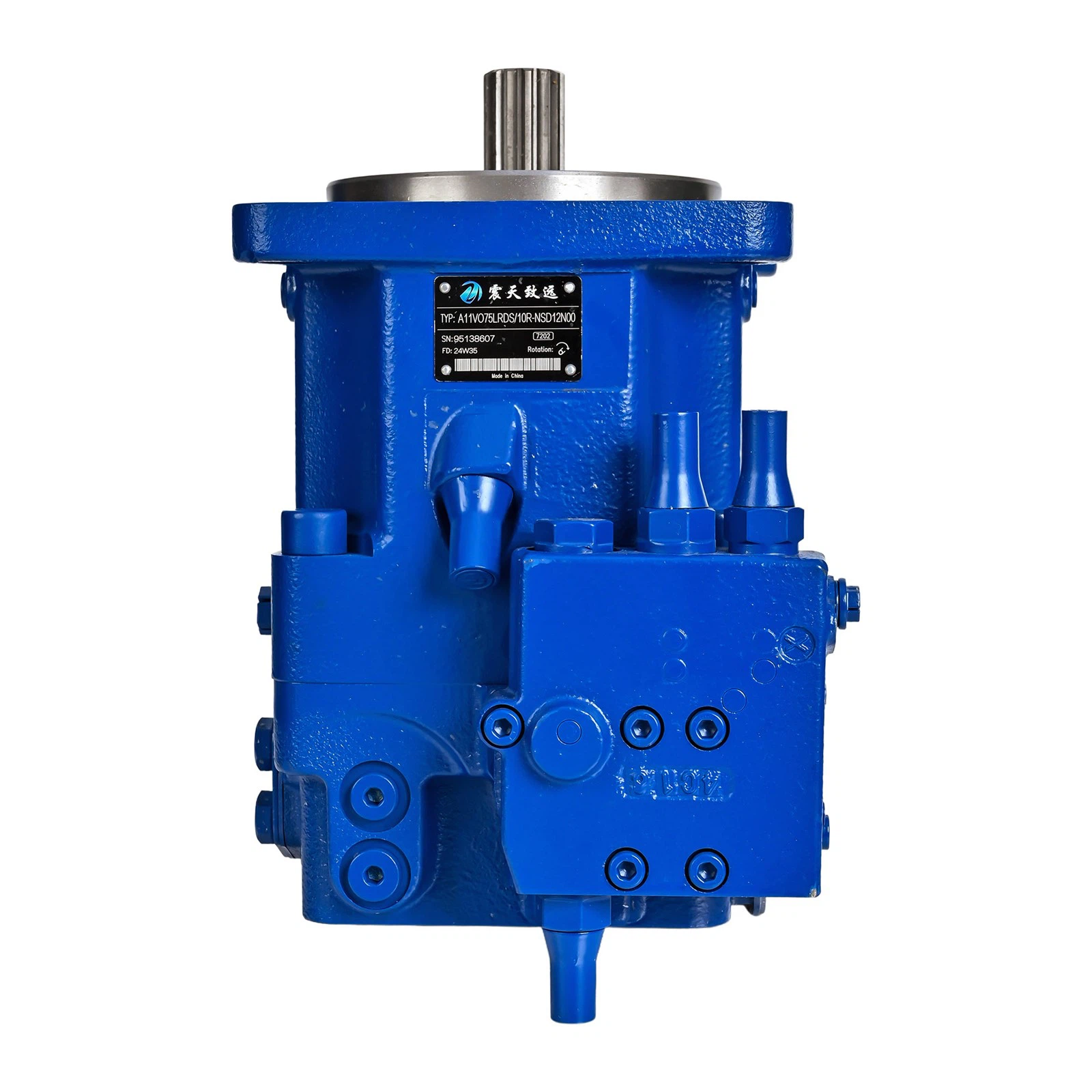
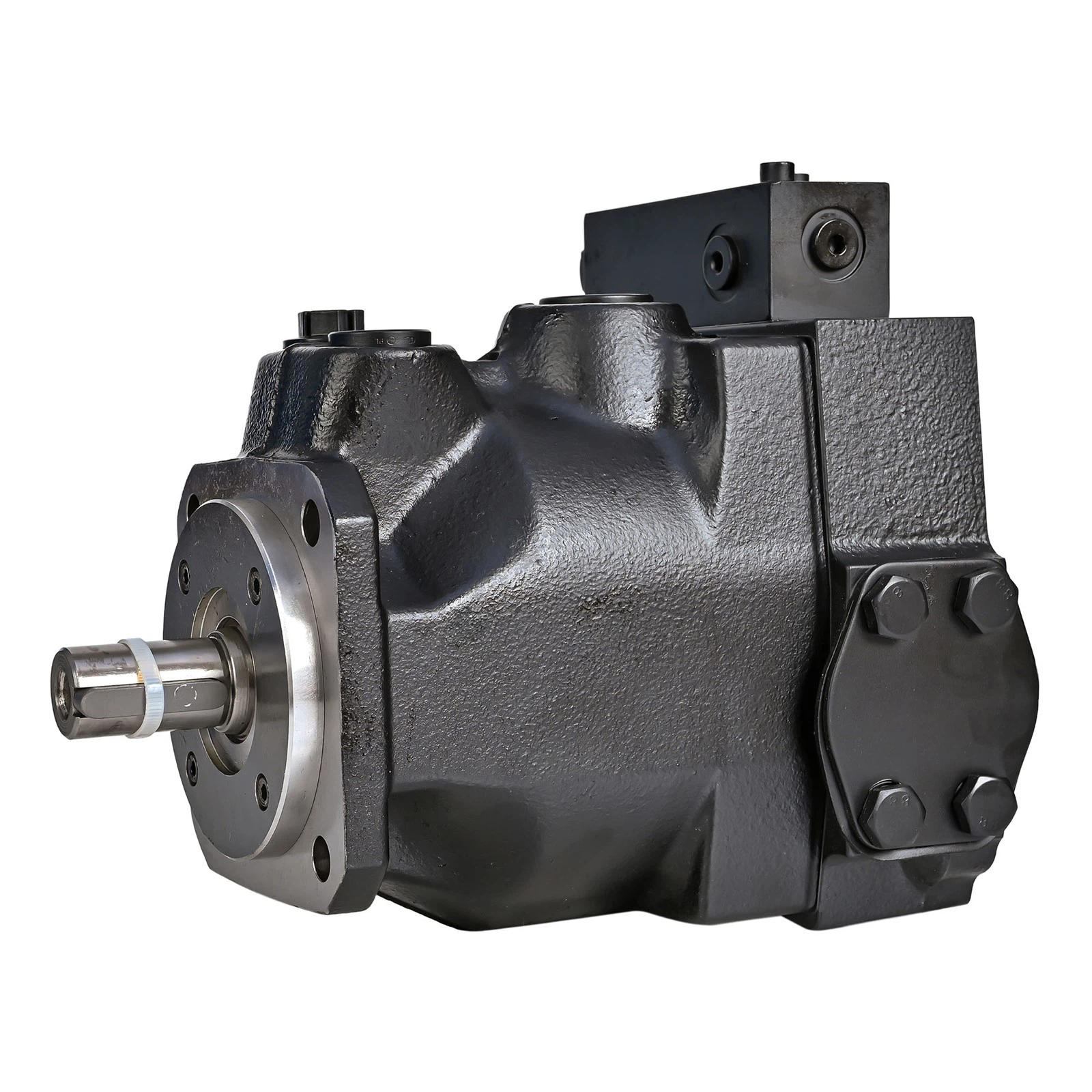
Hydraulic piston pump / Hydraulic plunger pump
It is divided into axial and radial piston pumps, characterized by high pressure and high efficiency, and is widely used in high-pressure systems such as construction machinery

01.
Principle
Plunger pumps have a history of several decades, and their popularity depends on two main reasons:
- They don't need external energy - the force of flowing water provides them with the energy they need.
- Their devices are extremely simple, with only two moving parts.
The basic principle of a plunger pump is very simple. This kind of pump uses the momentum of a relatively large moving liquid to lift a relatively small volume of liquid to a higher place.
To use a plunger pump, there must be liquid above the hydraulic pump. The hydraulic pump has a valve, which allows the liquid to pass through the pipeline and accelerates the liquid.
- When the liquid reaches its maximum speed, the valve closes.
- After the valve was closed, the flowing liquid generated a huge pressure inside the pump due to inertia.
- Pressure opened the second valve.
- The high-pressure liquid flows through the second valve and heads towards the input pipe (this pipe usually has a storage chamber to hold as much high-pressure liquid as possible when the liquid rushes in).
- At this point, the pressure inside the pump drops. The first valve is opened again to allow the liquid to flow and accumulate momentum again. And the second valve is closed.
- This cycle repeats itself.
Pipes can lift the liquid to a position higher than that of the pump and the liquid.
02.
Advantages
The plunger pump is a hydraulic pump that achieves oil suction and pressure by the reciprocating motion of the plunger in the cylinder, causing changes in the sealed volume. Compared with gear pumps and vane pumps, this type of pump has many advantages.
Firstly, the parts that constitute the sealed volume are cylindrical plungers and cylinder holes, which are easy to process, can achieve high fit accuracy, have good sealing performance, and still have a high volumetric efficiency under high pressure operation.
Second, the flow rate can be changed simply by altering the working stroke of the plunger, making it easy to implement variables.
Thirdly, the main components in the plunger pump are all subjected to compressive stress, and the material strength performance can be fully utilized.
Due to the high pressure, compact structure, high efficiency and convenient flow regulation of plunger pumps, they are widely used in systems that require high pressure, large flow and high power, as well as in situations where flow needs to be regulated, such as gantry planers, broaching machines, hydraulic presses, construction machinery, mining and metallurgical machinery, and ships.
Plunger pumps can be classified into two major categories based on the arrangement and movement direction of the plungers: radial plunger pumps and axial plunger pumps.
According to the type of distribution device, they can be divided into two major categories: plunger pumps with clearance sealing distribution pairs and plunger pumps with valve distribution devices.
Based on whether the displacement is variable, they can be classified as fixed displacement plunger pumps and variable displacement plunger pumps.
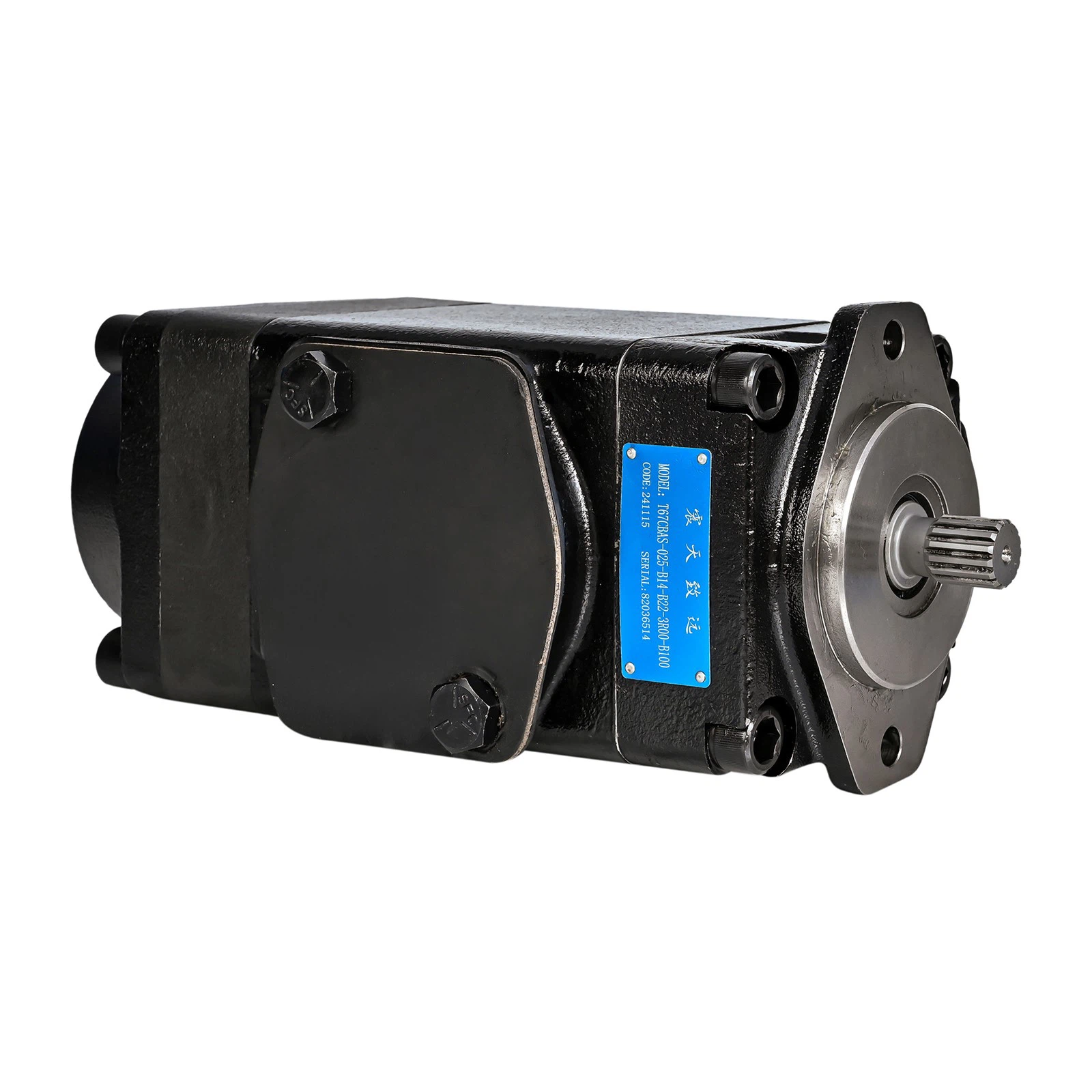
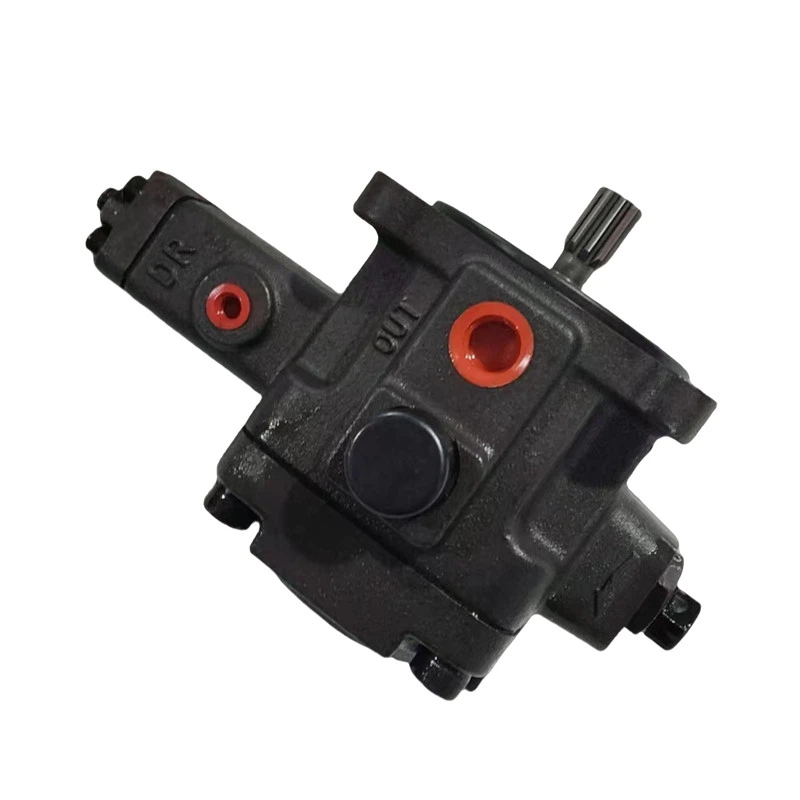
Hydraulic vane pump
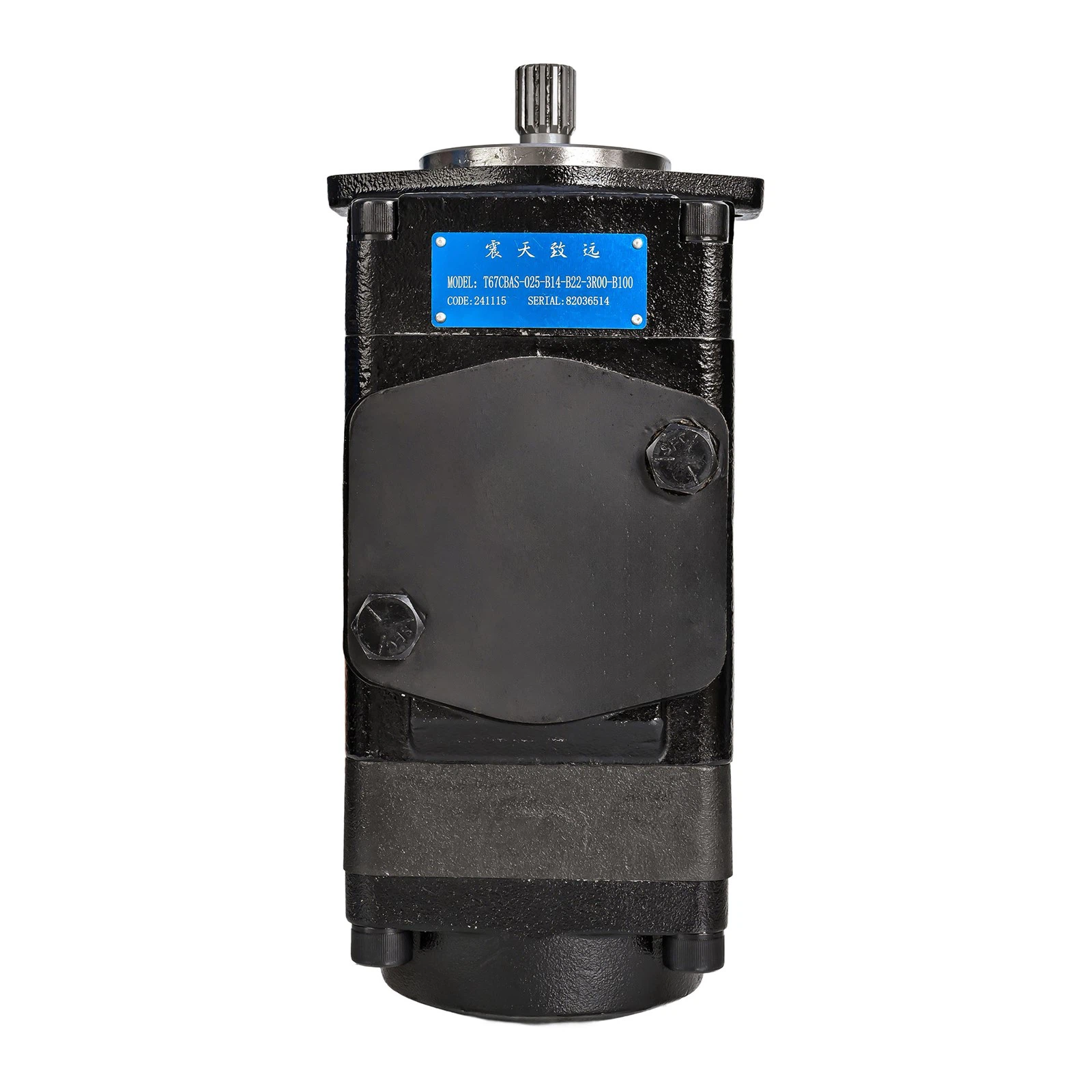
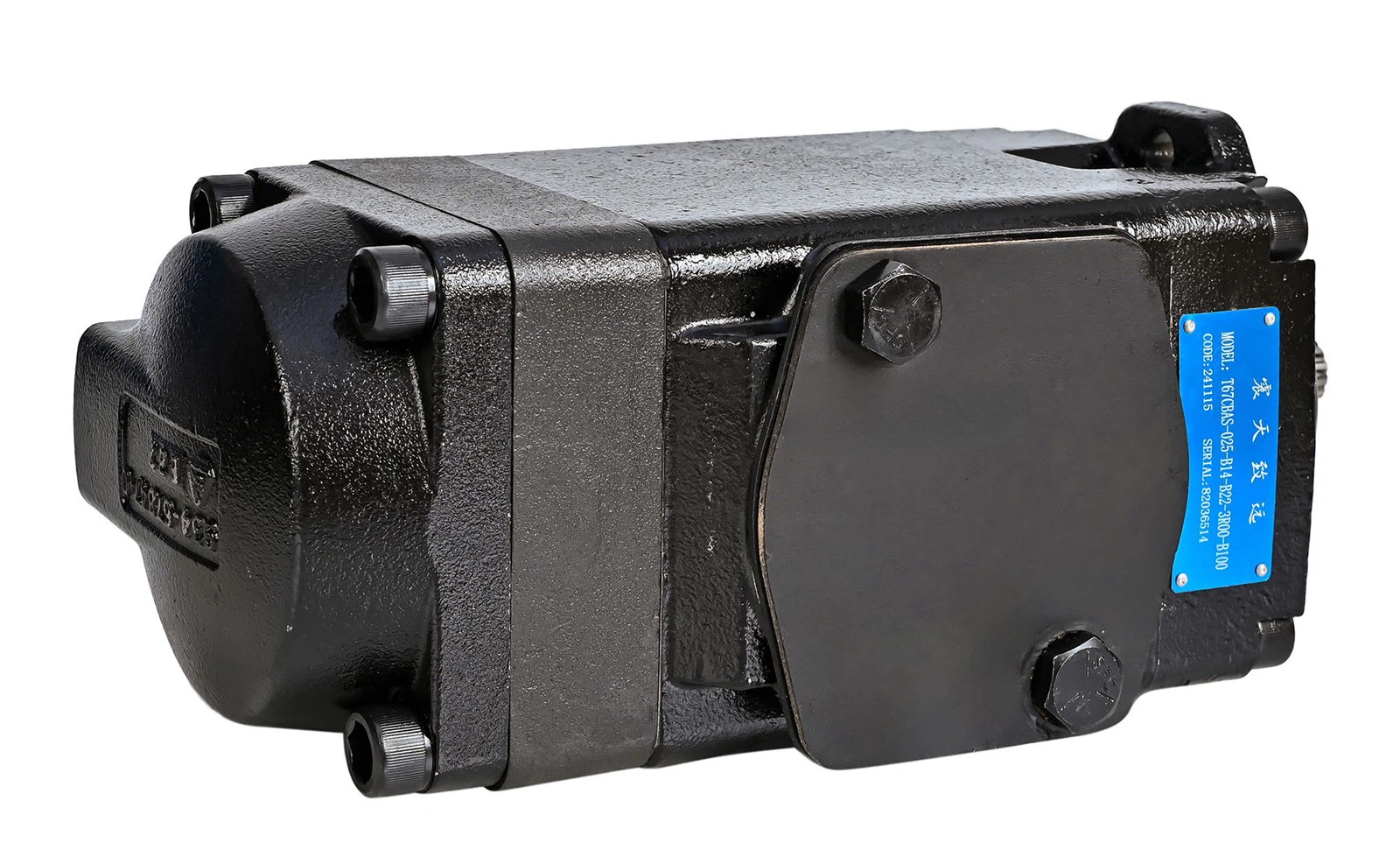
It Operates Smoothly With Low Noise And Is Divided Into Single-Acting (Variable) And Double-Acting (Quantitative) Types
The Sealed Volume Is Changed By The Extension And Retraction Of The Blades, Which Is Suitable For Medium-Pressure Systems
01.
Principle
When the rotor of a vane pump rotates, the tips of the vanes are tightly attached to the inner surface of the stator under the action of centrifugal force and pressure oil. The working volume formed by these two blades and the inner surfaces of the rotor and stator first increases from small to large to absorb oil and then decreases from large to small to discharge oil. When the blades rotate one full circle, one oil absorption and discharge process is completed.
I. Working Principle of Single-Acting Vane Pumps
The pump is composed of components such as the rotor, stator, blades, oil distribution pan and end cover. The inner surface of the stator is a cylindrical hole. There is eccentricity between the rotor and the stator. The blades can slide flexibly in the grooves of the rotor. Under the effect of the centrifugal force when the rotor rotates and the pressure oil introduced into the root of the blades, the top of the blades adheres tightly to the inner surface of the stator. Thus, sealed working chambers are formed between two adjacent blades, the oil distribution plate, the stator and the rotor. When the rotor rotates counterclockwise, the blade on the right side of the figure extends outward, gradually increasing the volume of the sealed working chamber and generating a vacuum. Thus, the oil is drawn in through the oil suction port and the upper window of the oil distribution plate. And on the left side of the picture. The blades retract inward, and the volume of the sealed cavity gradually decreases. The oil in the sealed cavity is forced out through another window of the oil distribution plate and the oil pressure port and then discharged into the system. This type of pump sucks oil and pressurizes oil once during the rotation of the rotor, so it is called a single-acting pump. The rotor is subjected to radial hydraulic unbalanced force, so it is also called an unbalanced pump, and its bearing load is relatively large. By changing the eccentricity between the stator and the rotor, the displacement of the pump can be altered. Therefore, all such pumps are variable pumps.
Ii. Working Principle of Double-Acting Vane Pumps
Its working principle is similar to that of a single-acting vane pump, with the only difference being that the stator surface is composed of eight parts: two long-radius arcs, two short-radius arcs, and four transition curves, and the stator and rotor are concentric. When the rotor rotates clockwise, the volume of the sealed working chamber gradually increases at the upper left corner and the lower right corner, which is the oil suction area, and gradually decreases at the lower left corner and the upper right corner, which is the oil pressure area. There is an oil sealing area between the oil absorption area and the oil pressure area to separate them. Each time the rotor of this type of pump rotates, each sealed working chamber completes two oil suction and two oil pressure actions respectively, so it is called a double-acting vane pump. The two suction zones and two pressure zones of the pump are radially symmetrical. The liquid pressure acting on the rotor is radially balanced, so it is also called a balanced vane pump.
The instantaneous flow rate of the double-acting vane pump is pulsating. When the number of vanes is a multiple of 4, the pulsation rate is small. For this reason, the number of blades in a double-acting vane pump is generally taken as 12 or 16.
02.
Precautions
In addition to preventing dry running and overload, air intake and excessive suction vacuum, the key points for the management of vane pumps should also pay attention to:
- If the rotation direction of the pump changes, its suction and discharge directions will also change. Vane pumps all have specified rotation directions and are not allowed to be reversed. Because the rotor blade grooves are inclined and the blades are chamfered, the bottom of the blades is connected to the oil discharge chamber. The throttling grooves and suction and discharge ports on the oil distribution plate are designed according to the predetermined direction. Reversible vane pumps must be specially designed.
- The oil distribution plate and stator of the vane pump should be correctly positioned with locating pins. The vanes, rotor and oil distribution plate must not be installed in reverse. The inner surface of the stator, the suction area, is the most prone to wear. If necessary, it can be installed upside down to turn the original suction area into the discharge area and continue to be used.
- When disassembling and assembling, pay attention to the cleanliness of the working surface. During operation, the oil should be well filtered.
- If the gap between the blade and the blade groove is too large, the leakage will increase; if it is too small, the blade cannot extend and contract freely, which will lead to abnormal operation.
- The axial clearance of the vane pump has a significant influence on ηv. 1) Small pumps: -0.015 to 0.03mm \ n2) Medium-sized pumps: -0.02 to 0.045mm \ n6. The temperature and viscosity of the oil should generally not exceed 55℃, and the viscosity should be between 17 and 37mm ² /s. If the viscosity is too high, it will be difficult to absorb oil. If the viscosity is too low, the leakage will be serious. As a pump product, vane pumps more often refer to sliding vane pumps. Vane pumps almost all refer to vane pumps.

Hydraulic gear pump
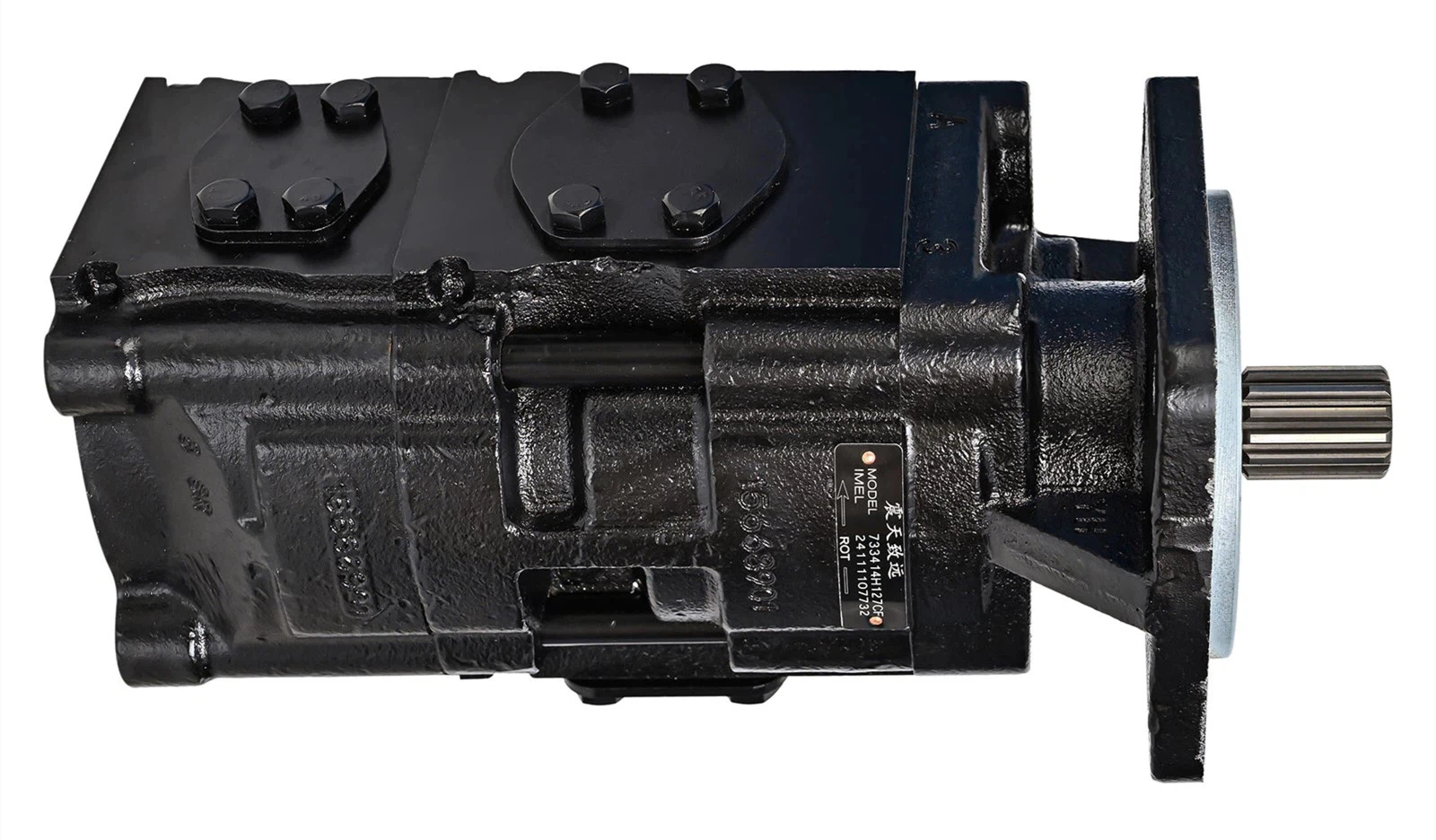
It Has A Simple Structure, Small Volume And Durability, But The Pressure Pulsation Is Relatively Large
It Is Divided Into Two Types: External Meshing And Internal Meshing. External Meshing Is More Common And Achieves Oil Suction And Pressure By Changing The Meshing Volume Of Gears

01.
Principle
The concept of a gear pump is very simple. Its most basic form is that two gears of the same size mesh and rotate with each other in a closely fitted housing. The interior of this housing is similar to the shape of an "8", with the two gears installed inside. The outer diameter of the gears and both sides fit closely with the housing. The material from the extruder enters the space between the two gears at the suction port and fills it. As the teeth rotate, it moves along the housing and is finally discharged when the two teeth mesh.
When one tooth enters the fluid space of another tooth, since the liquid is incompressible, the liquid and the tooth cannot occupy the same space at the same time. Thus, the liquid is mechanically squeezed out. Due to the continuous meshing of the teeth, this phenomenon occurs continuously, thus providing a continuous discharge volume at the pump outlet. The discharge volume is the same for each revolution of the pump. With the continuous rotation of the drive shaft, the pump continuously discharges the fluid.
The flow rate of the pump is directly related to the rotational speed of the pump.
In fact, there is a very small amount of fluid loss inside the pump because this fluid is used to lubricate the bearings and both sides of the gears. Moreover, the pump body can never fit without clearance, so it is impossible for 100% of the fluid to be discharged from the outlet. Therefore, a small amount of fluid loss is inevitable, which prevents the pump's operating efficiency from reaching 100%. However, the pump can still operate well and achieve an efficiency of 93% to 98% for most extruded materials.
02.
Advantages
- Small in size
- Light in weight
- Good processability
- Strong self-priming ability
- Large rotational speed range
- It can withstand shock loads
- Convenient for maintenance
- Simple and compact structure
- It is not sensitive to oil contamination

Fujian Zhenyuan Hydraulic Equipment Co., Ltd. is well-known as one of the leading hydraulic pump manufacturers and suppliers in China. If you're going to wholesale hydraulic pump in stock, welcome to get quotation from our factory. All customized products are with high quality and low price.
H1B bent axis motor